Every artist eventually hits an invisible wall—a period where traditional sources of inspiration feel predictable, dry, or repetitive. When blank canvases, empty documents, or untouched sketchbooks start to feel intimidating, the solution rarely lies in forcing creativity through the same tired routines. Instead, true artistic breakthroughs often happen when you deliberately step outside your familiar creative sphere and look toward completely unrelated industries, crafts, and physical spaces for a new conceptual spark.
By observing how specialists in other fields solve problems, build structure, or interact with physical and visual mediums, you open your mind to fresh perspectives. Whether you are a visual artist, writer, musician, or designer, looking at the craft of tradespeople, wellness practitioners, and spatial designers can unlock entirely new avenues of creative thought. Exploring unexpected domains not only broadens your horizons but also gives you a rich vocabulary of motifs, textures, and concepts to weave into your next major creative endeavor.

Embracing the Craftsmanship of Structural Forms
When searching for artistic direction, looking at architecture and physical structure provides a grounded sense of scale and proportion. Observing how an
expert custom home builder carefully integrates spatial functionality with aesthetic harmony can inspire artists to think more deeply about the foundational scaffolding of their work. Just as a builder balances weight distribution, materials, and light to create a living space, an artist must balance composition, weight, and contrast to build a compelling visual or narrative universe.
Furthermore, physical construction often highlights the beauty of geometric precision and material contrast. Studying how a
skilled gazebo builder aligns intricate woodwork to frame outdoor views offers valuable lessons in framing, focal points, and open-air symmetry. When you analyze structural design through a creative lens, you begin to see how subtle architectural choices—such as the shadow lines beneath an overhang or the structural rhythm of load-bearing beams—can be translated into abstract artistic patterns, dynamic linework, or structural narrative arcs in creative writing.
Drawing Energy from Dynamic Play Spaces
Inspiration often thrives where movement, energy, and human interaction intersect. The deliberate design of modern recreation facilities offers a unique study in lines, spatial flow, and vibrant color palettes. Consider the crisp boundaries, contrast, and high-impact layouts required in professional
pickleball court construction. The sharp, functional geometry of modern courts creates a compelling juxtaposition between rigid lines and fluid athletic movement, providing a great visual metaphor for artists working on abstract graphic design or kinetic sculpture.
Translating the energy of play into art requires observing how people navigate defined spaces. When human activity fills a meticulously constructed environment, the space transforms into a living installation. Taking time to sketch or photograph these settings allows you to capture the dynamic contrast between organized, engineered environments and the spontaneous, unpredictable energy of live human interaction.
Finding Harmony in Water and Refraction
Water has long been one of the most mesmerizing elements for creatives across all mediums. Beyond its natural state, liquid contained within engineered architectural forms creates captivating play between light, reflection, and depth. A beautifully
designed swimming pool serves as a natural lens, distorting light patterns, reflecting the shifting sky, and producing organic movement against geometric basin lines. Capturing these liquid reflections can inspire painterly color blending, fluid musical compositions, or serene poetic imagery.
Observing aquatic environments also helps artists master subtle gradients and translucent layering. The way sunlight refracts through moving water produces ever-shifting caustics and highlights that challenge conventional color application. Incorporating these fluid, translucent effects into your artistic repertoire brings a sense of depth, tranquility, and luminous life to both traditional painting and digital concept art.
Cultivating Organic Textures and Botanical Rhythm
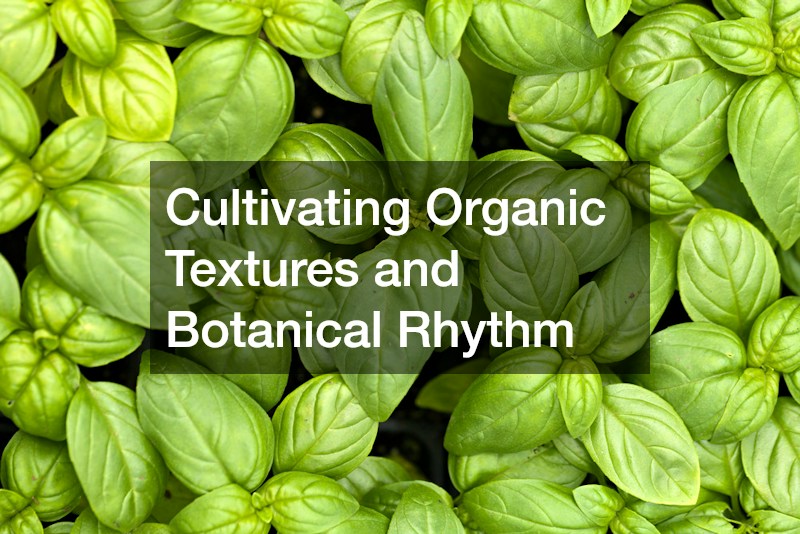
For those seeking textural variety and organic inspiration, plant life provides an endless repository of form, color, and pattern. A trip to a
well-curated garden center offers an immediate sensory immersion into natural geometry, from the Fibonacci spirals of succulents to the soft, layered hues of seasonal blooms. Stepping into these green spaces allows you to analyze how natural forms interact with light, soil, and container materials, giving you a renewed appreciation for organic growth patterns.
In addition to plant aesthetics, the structural elements that support foliage offer compelling visual contrasts. A timber or metal
pergola draped in climbing vines demonstrates the delicate balance between rigid human engineering and untamed natural growth. Exploring these botanical environments helps artists learn how to weave raw, fluid shapes together with structured, geometric elements, creating work that feels both deliberate and organically alive.
Learning Balance and Healing Through Natural Care
Artistic creation can often feel exhausting, requiring moments of restoration and gentle pacing. Looking into specialized fields focused on biological wellness and physical recovery can offer profound insights into patience, form, and structural alignment. Watching the meticulous care involved in
equine rehab showcases the delicate interplay between strength, biomechanics, and gentle physical recovery. The rhythmic, measured strides of a recovering animal offer a striking visual reminder of the elegance inherent in patience, form, and subtle physical adjustments.
Observing physical healing processes reminds artists that creative projects, too, require periods of structured recovery and refinement. Understanding how muscle, bone, and movement are restored over time encourages a more forgiving, iterative artistic workflow. It reinforces the idea that true mastery is built through consistent, caring attention to detail rather than rushed execution.
Exploring Modern Visual Branding and Typography
For visual artists and commercial creators, finding inspiration in everyday print media and product packaging is a powerful exercise. Highlighting local craftsmanship often comes down to compact, impactful graphic presentation. Consider the detail and narrative craft packed into contemporary
micro brewery labels. These small canvas designs blend typography, custom illustration, tactile textures, and vibrant color schemes to tell a story on a very confined surface.
Analyzing micro brewery labels helps artists master the art of narrative compression—learning how to communicate an entire mood, brand identity, or theme within a limited space. By dissecting how packaging illustrators handle line weight, focal hierarchy, and print finishes, you can refine your own approach to graphic art, poster layout, and digital branding projects.
Nurturing Serenity, Radiance, and Personal Renewal
The concept of personal renewal is deeply tied to aesthetic beauty and sensory atmosphere. Spaces specifically curated for relaxation offer rich inspiration for artists interested in minimalist design, ambient mood, and soft lighting. Stepping into a high-end
med spa reveals an environment where every detail—from muted color tones and indirect lighting to smooth textures and soothing acoustics—is designed to cultivate calm and restore equilibrium.
Exploring these tranquil, polished settings encourages artists to reflect on how atmospheric design influences emotional states. By studying the intentional cleanliness, subtle scent, and soft ambient textures of a med spa, you can learn how to strip away unnecessary clutter in your art, allowing the core artistic message to breathe with quiet, confident elegance.
Understanding the Geometry and Structure of Trees
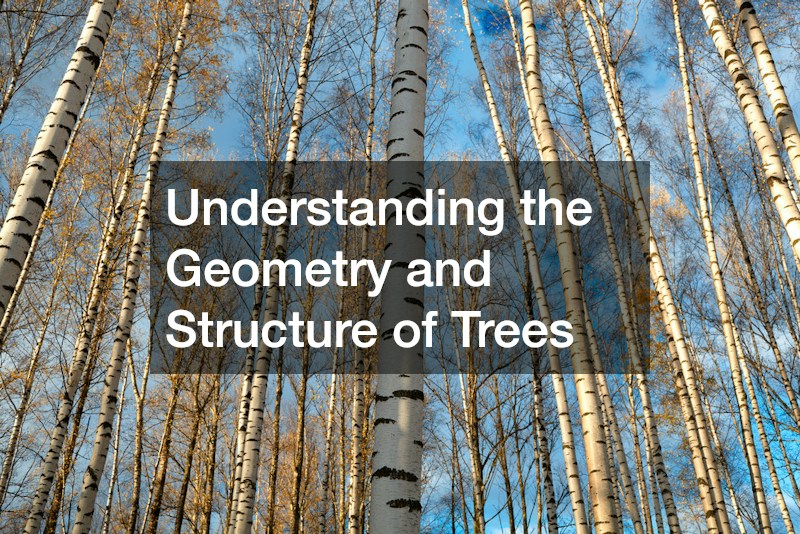
Nature’s grandest living structures—trees—offer an incredible study in organic engineering, weight distribution, and architectural endurance. Consulting with or observing a professional
arborist at work provides a fascinating look into the internal structural integrity, canopy growth, and branch balance of majestic trees. Learning how trees adapt to wind, support heavy timber, and heal from environmental stress opens up new ways of viewing natural form and resilience.
Arboriculture teaches artists how to portray organic structures with authentic weight and lifelike gesture. Rather than drawing generalized branches, understanding how an arborist evaluates branch bark ridges, canopy density, and root anchoring allows visual creators to depict trees, roots, and natural scenery with realistic tension, organic balance, and grounded realism.
Leveraging Industrial Craft and Custom Metalwork
Inspiration isn’t limited to soft natural landscapes or sleek architectural forms; it can also be found in heavy materials, industrial fabrication, and raw joinery. Watching custom fabricators cut, weld, and assemble heavy metals or structural timbers reveals the beauty of durability and industrial precision. Understanding how raw steel beams, heavy-duty hardware, and precision joints fit together gives artists a deeper appreciation for structural weight and mechanical connections.
Integrating industrial aesthetics into your creative work can add a layer of tactile grit and modern sophistication. Whether you are building mixed-media sculptures, developing concept art for urban sci-fi settings, or designing modern furniture, applying the practical logic of industrial joinery and heavy construction elevates the physical authenticity of your designs.
Discovering Rhythm in Sound and Acoustic Design
Soundscapes play a vital role in setting an artistic environment, but acoustic design itself is a fascinating art form. Observing how architects and audio engineers shape acoustic environments—using sound baffles, diffused wood paneling, and strategic angles—shows how invisible forces can be sculpturally directed. The way sound bounces off hard concrete versus being absorbed by rich upholstery changes the felt presence of a room entirely.
Translating acoustic principles into visual mediums allows artists to create compositions that feel rhythmic and resonant. By treating negative space like silence and bold visual elements like musical beats, you can structure visual compositions that guide the viewer’s eye with the same intentional flow and cadence as a beautifully arranged piece of music.
Exploring the Artistry of Textile and Fiber Design
Textiles provide an extraordinary intersection of tactility, pattern, and utility. Studying the construction of hand-woven fabrics, heavy upholstery, or intricate embroidery reveals how thousands of individual threads combine to create strength, texture, and complex visual patterns. The subtle shift between matte cotton, shimmering silk, and rough linen provides a masterclass in surface texture and light interaction.
Incorporating textile concepts into your artwork encourages richer surface detail and tactile depth. Painterly brushstrokes can mimic the cross-hatch of woven canvas, digital illustrations can gain warmth through subtle fiber overlays, and spatial designs can benefit from the soft, dampening quality of woven hanging art.
Finding Inspiration in Light and Shadow Play
Light is the ultimate painterly medium, capable of completely altering the emotional tone of a scene in a matter of seconds. Paying close attention to the way natural daylight filters through overhead lattice, slatted blinds, or forest canopies reveals how shadow casts its own distinct shapes. The contrast between high-noon starkness and soft golden-hour diffusion offers endless study for artists focusing on mood and dimension.
Mastering light and shadow allows you to create depth without relying solely on color variation. By treating shadows as dynamic compositional shapes rather than mere absence of light, you can dramatically heighten the drama, mystery, and three-dimensional realism of your artistic creations.
Artistic inspiration is never truly lost; it simply waits to be discovered in places you haven’t yet explored. By stepping beyond the boundaries of your immediate discipline and observing the world through the eyes of builders, craftspeople, wellness specialists, and naturalists, you supply your mind with fresh creative raw material. Every industry holds its own unique mastery of form, function, texture, and emotion that can easily spark your next breakthrough.
Stepping beyond the familiar boundaries of your primary craft allows you to synthesize ideas that are distinctly your own rather than echoes of existing trends in your field. When you step into different industries, you observe how others confront structural challenges, balance aesthetics with utility, and manipulate form, movement, or light. A custom builder’s approach to load-bearing harmony or an arborist’s understanding of natural tension can offer surprising solutions to an artistic composition or narrative structure.
These cross-disciplinary observations provide a rich repository of visual motifs, atmospheric qualities, and conceptual frameworks that broaden your perspective. By actively cultivating curiosity about the functional design and natural order around you, you enrich your creative subconscious with fresh raw material. Ultimately, integrating lessons from diverse disciplines transforms your creative process, equipping you to approach your work with renewed depth, versatility, and structural clarity.